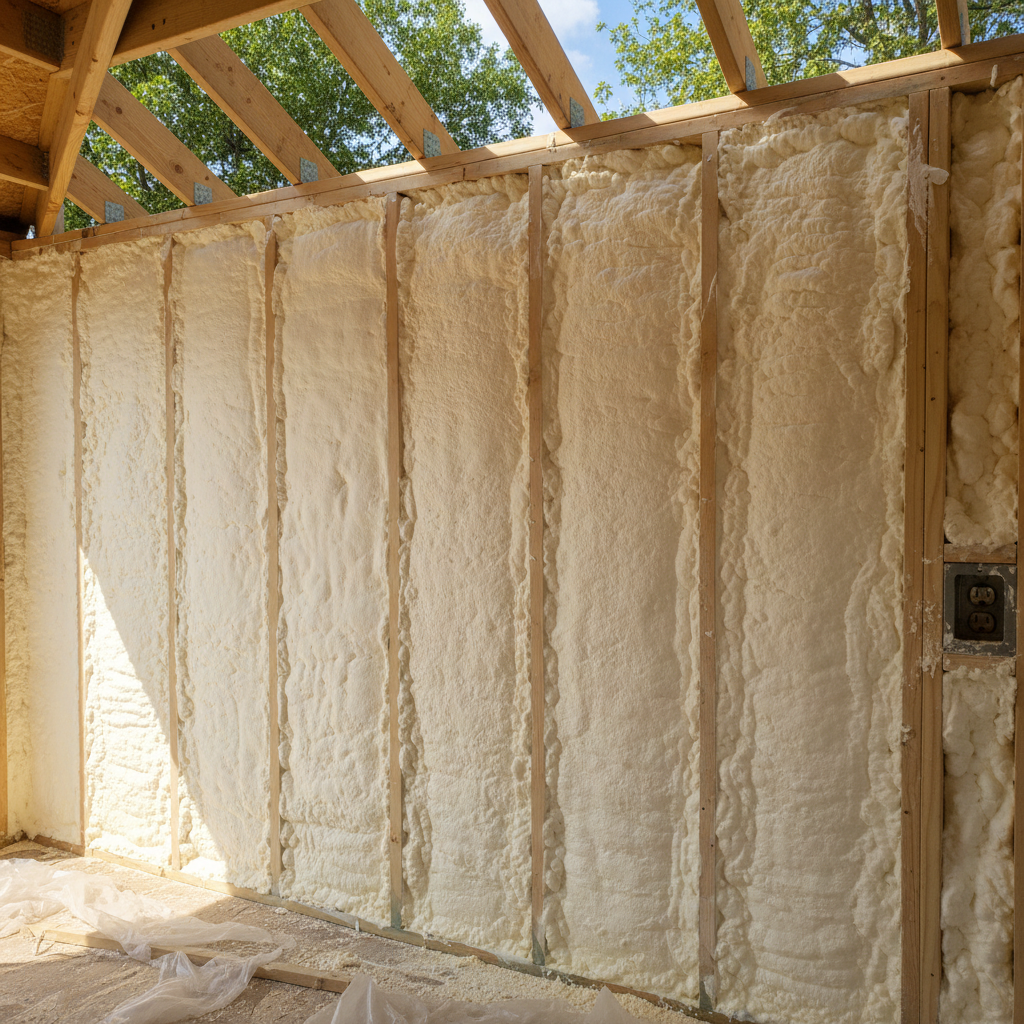
You're probably wondering if insulating your shed is even worth the trouble, especially with our Texas heat and those occasional cold snaps. I get it. A lot of folks around Waxahachie have the same questions, whether they're using their shed for storage, a workshop, or even a little backyard office. As someone who's been doing this for a while, I've heard 'em all. So, let's dive into the most common questions I get about shed insulation.
Why bother insulating a shed in Waxahachie?
Look, it's not just about comfort, though that's a big part of it. Here in Waxahachie, we see some pretty extreme temperatures. Summers are brutal, and while winters aren't always long, they can get surprisingly cold. If you're storing anything sensitive out there – paints, chemicals, electronics, tools that can rust with humidity – insulation is going to protect your stuff from those wild temperature swings. It keeps things from freezing solid in January and melting in July. Plus, if you're spending any time in there, whether it's tinkering with a project or just grabbing something, you'll appreciate not sweating through your clothes or shivering.
What kind of insulation is best for a shed?
This really depends on your budget and what you're using the shed for. For most folks, a few options stand out:
- Batt and Roll Fiberglass: This is what most people think of when they hear 'insulation.' It's affordable, pretty easy to install yourself if you're handy, and you can find it at any hardware store. You'll want to make sure you get the right R-value for your needs.
- Rigid Foam Boards: These are great for sheds because they offer a good R-value in a thinner profile, and they're easy to cut and fit. They also provide a bit of a vapor barrier, which is a big plus in our humid climate. You can get different types like XPS or polyiso.
- Spray Foam: Now, this is the Cadillac of shed insulation. It gives you an airtight seal, excellent R-value, and it's fantastic for keeping out moisture and pests. It's more expensive and usually requires a professional, but for a workshop or office shed, it's a game-changer. We've done a lot of spray foam jobs for sheds and garages with Mighty Insulation, and the difference is night and day.
Each has its pros and cons, but for a shed, you're usually looking for something that's cost-effective and provides decent thermal resistance.
Do I need a vapor barrier in my shed?
Absolutely, especially here in Waxahachie. Our humidity can be a real problem. A vapor barrier, usually a plastic sheeting, helps prevent moisture from getting into your insulation and causing mold, mildew, or rot. You don't want that mess. If you're using batt insulation, you'll typically put the vapor barrier on the warm side of the wall (which is usually the inside in winter, but in summer, it's the outside). Rigid foam boards often act as their own vapor barrier, which is a nice bonus.
How do I insulate a shed's walls, ceiling, and floor?
You want to hit all three for the best results. For the walls, if you have studs, you can cut batt insulation to fit between them or cut rigid foam boards to fit snugly. For the ceiling, if it's open rafters, you can do the same. If you have a finished ceiling, you might blow in loose-fill insulation or lay down batts. The floor is often overlooked, but it's a big source of heat loss or gain. If your shed is on skids or a raised foundation, you can insulate between the floor joists with batts or rigid foam. Make sure to cover any exposed insulation with plywood or a similar material to protect it from pests and moisture.
What R-value should I aim for in my shed?
R-value is just a measure of how well the insulation resists heat flow. For a shed, you don't necessarily need the same R-value as your house, but you still want something effective. For walls, an R-13 to R-19 is usually a good target. For the ceiling, R-19 to R-30 would be even better, since heat rises. For the floor, R-13 to R-19 is also a solid choice. If you're turning it into a full-time office, you might want to go a bit higher, similar to what you'd put in a small addition to your home.
Will insulating my shed really save me money?
It depends on how you're using it. If you're heating or cooling your shed, even with a small window unit or space heater, then yes, insulation will absolutely save you money on your utility bills. Without it, you're just throwing money out the windows and walls. If it's just for storage and you're not conditioning the air, the savings aren't direct, but you're protecting your stored items, which can save you from having to replace damaged goods. Think of it as an investment in the longevity of your shed and its contents.
Are there any local considerations for shed insulation in Waxahachie?
You bet there are. Our expansive clay soils here, especially in some of the older neighborhoods around downtown, can lead to foundation issues if moisture isn't managed well. While not directly insulation-related, it's a good reminder that moisture control is key for any structure. Also, those intense summer storms we get? They bring a lot of humidity. That's why a good vapor barrier and proper ventilation are non-negotiable. You don't want moisture trapped in your walls. Good insulation helps regulate the internal temperature, which in turn helps manage condensation.
Insulating your shed isn't just about making it cozy; it's about making it a more functional, protected space that stands up to our unique Texas weather. If you've got more questions or need a hand figuring out the best approach for your shed, don't hesitate to reach out. We're here to help you make the right choices for your property.